Senior Research Fellow, Institute of Developing Economies, Japan
B. Philosophy and Religion
Human Activities for Deepening Thought and Faith
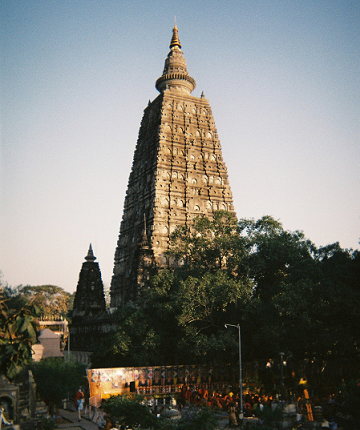
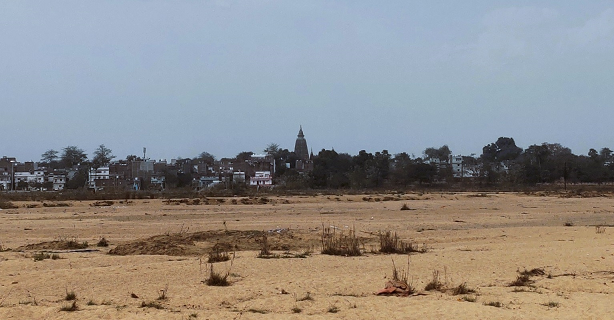
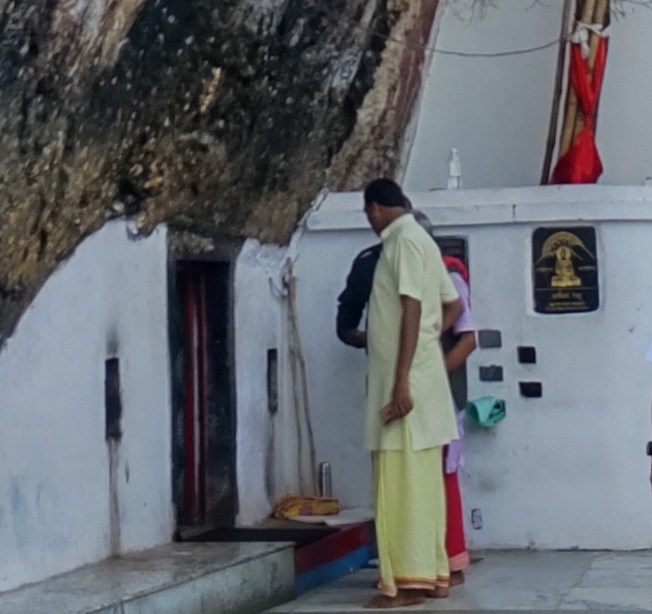
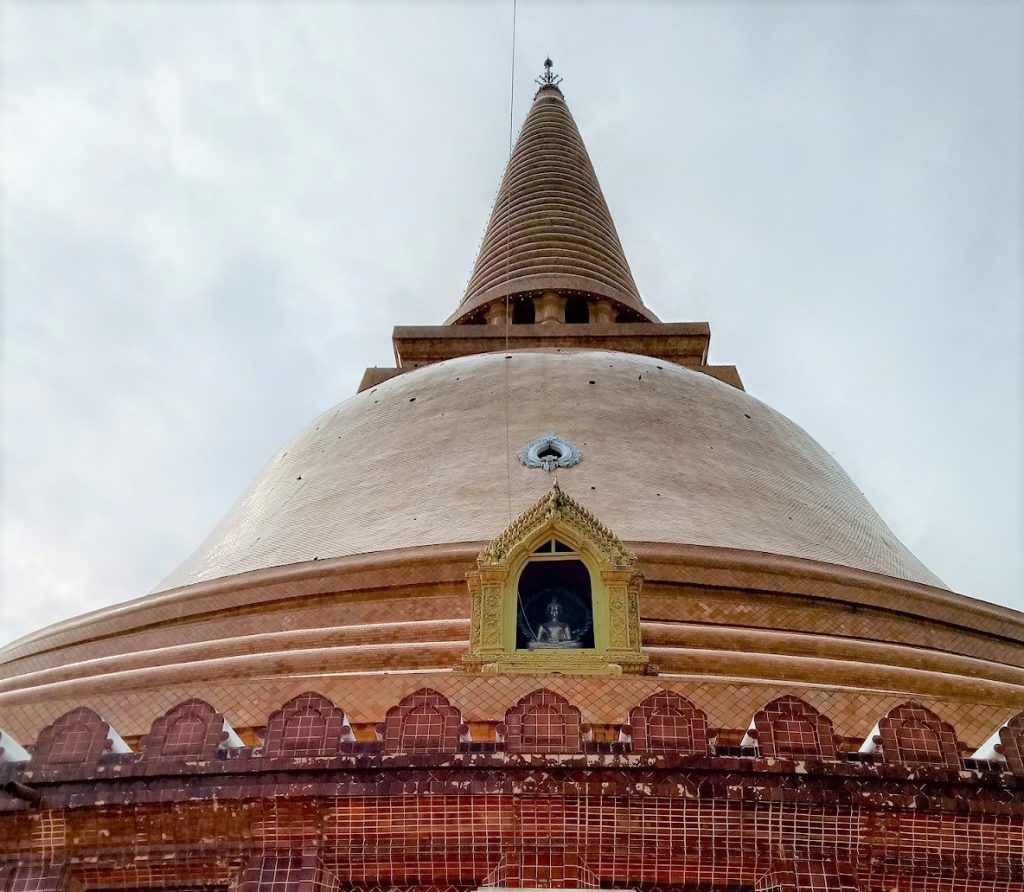
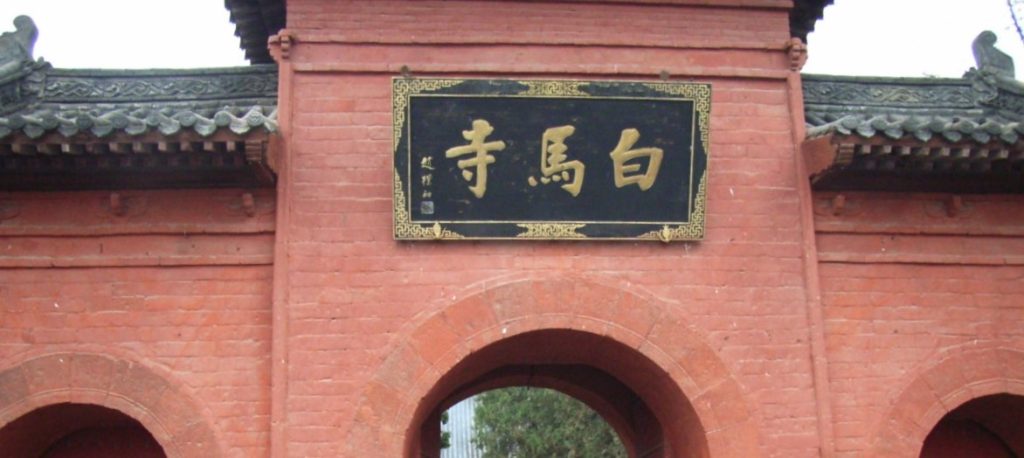
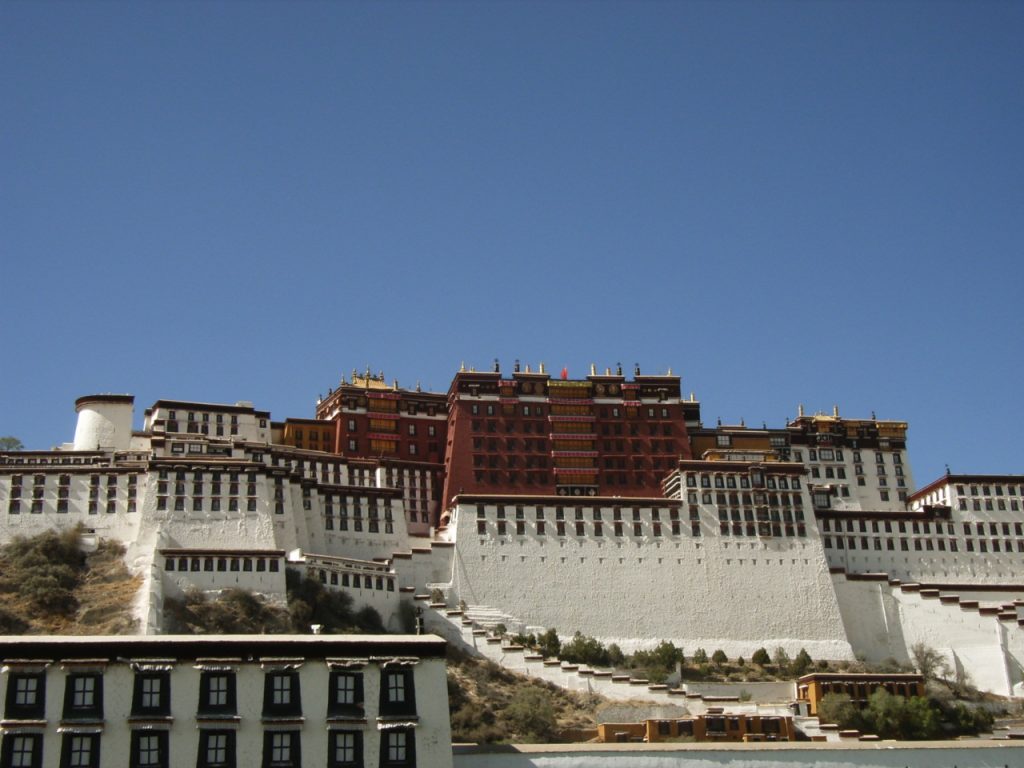
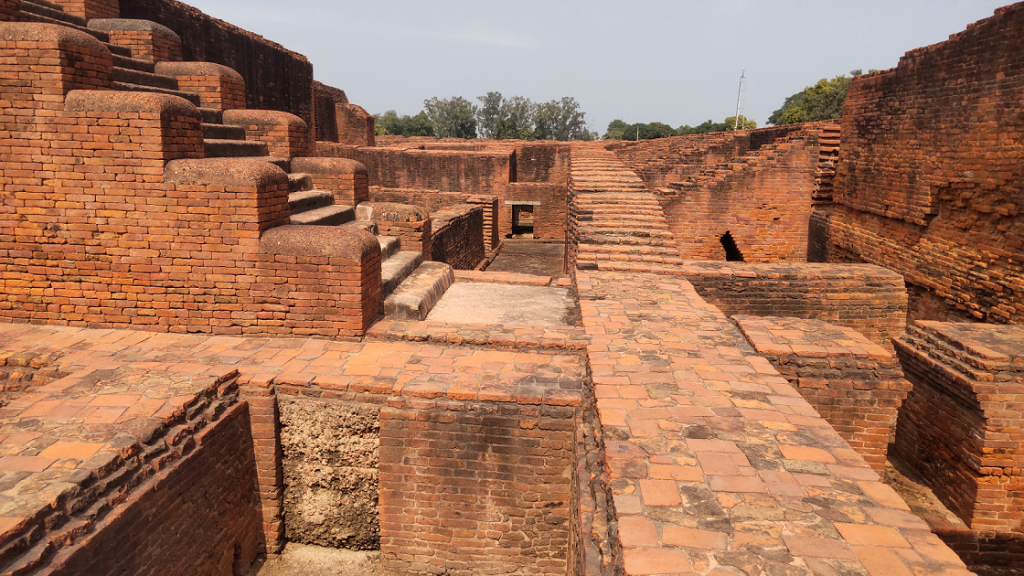
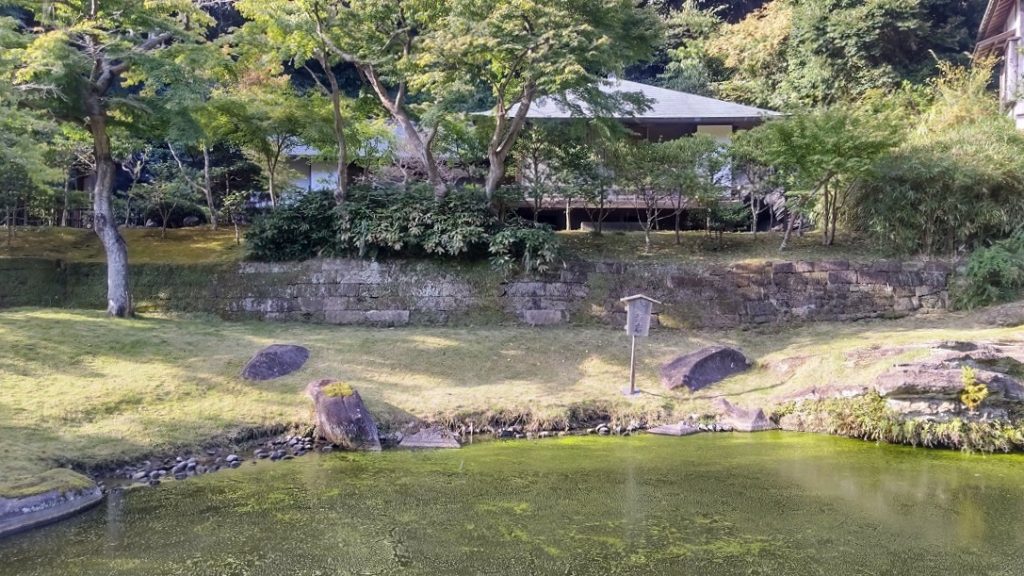
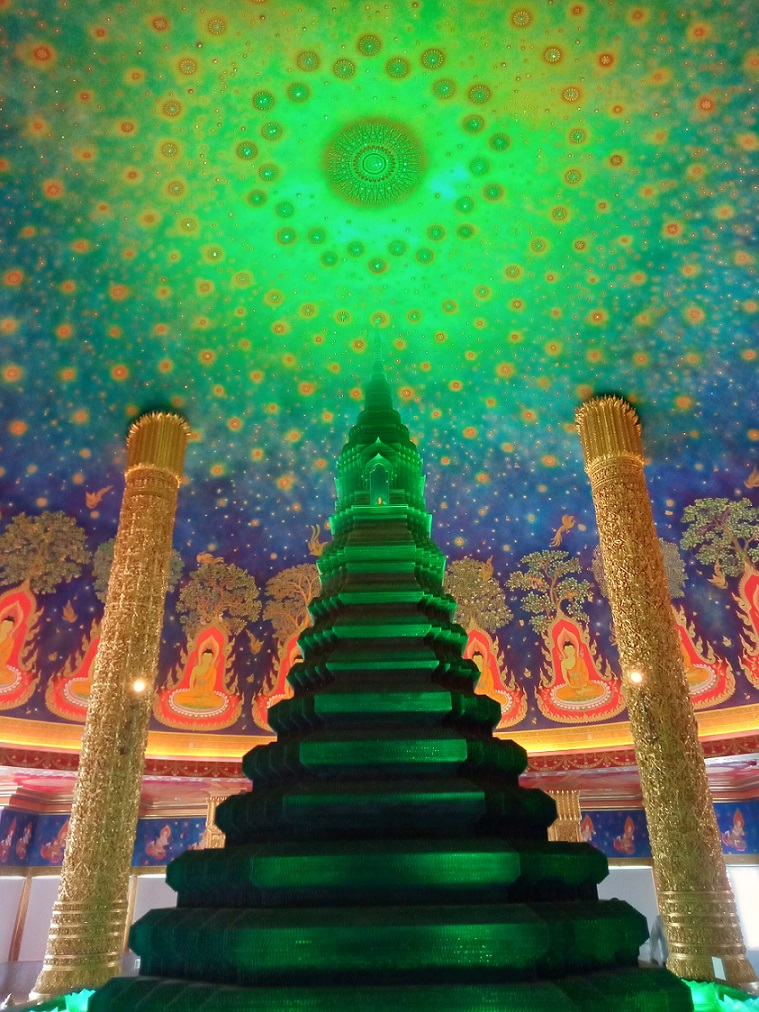
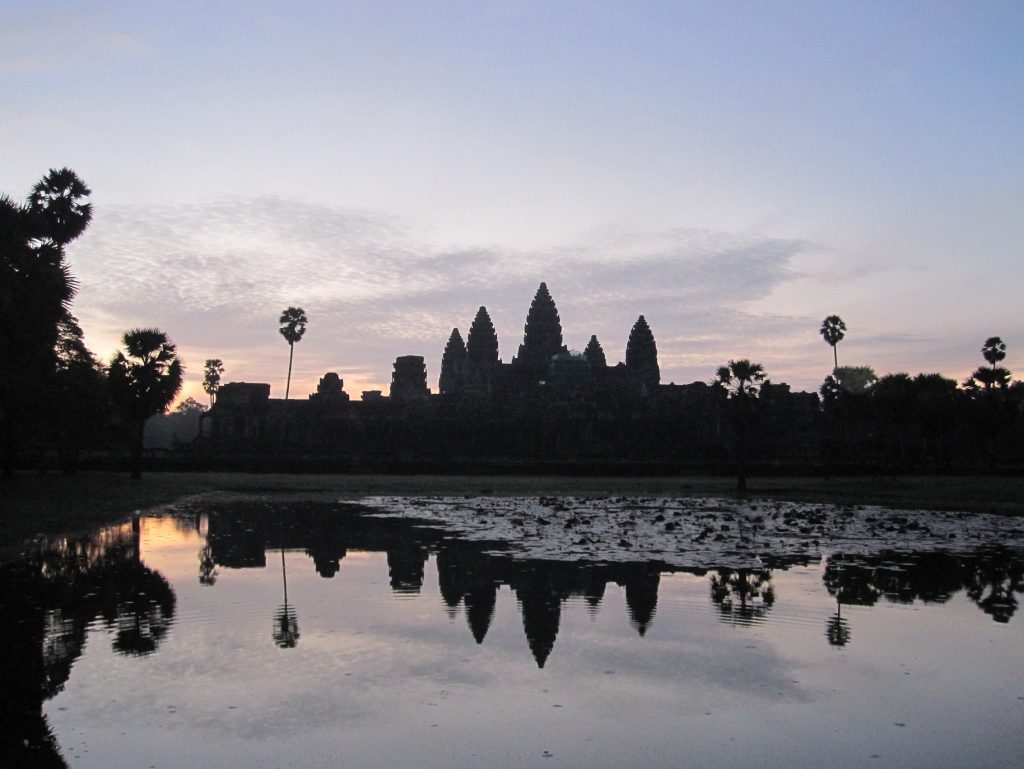
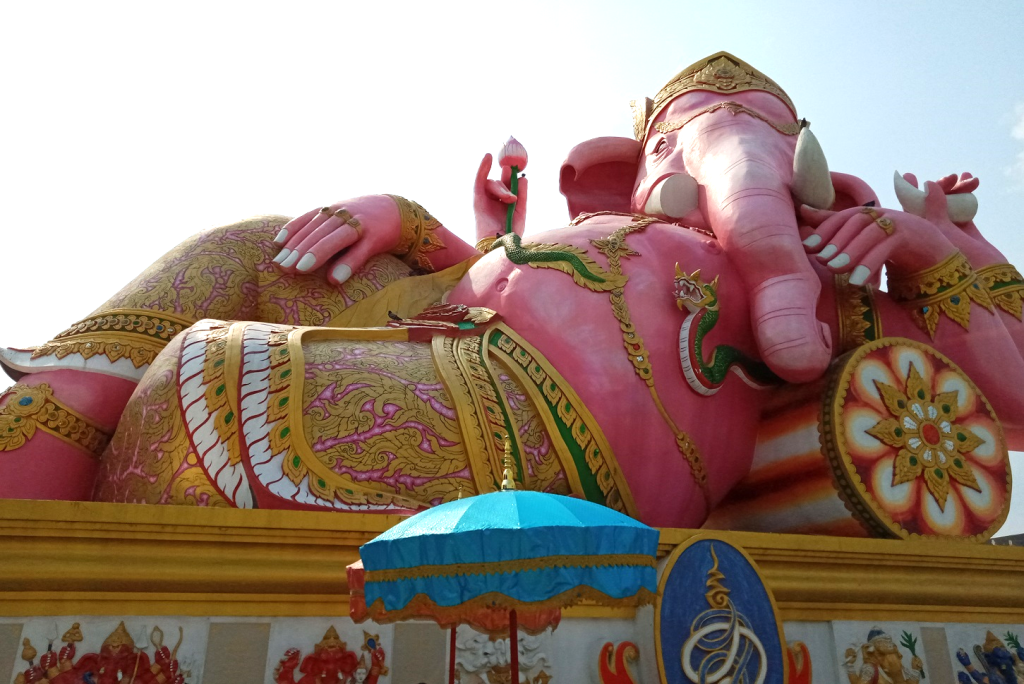
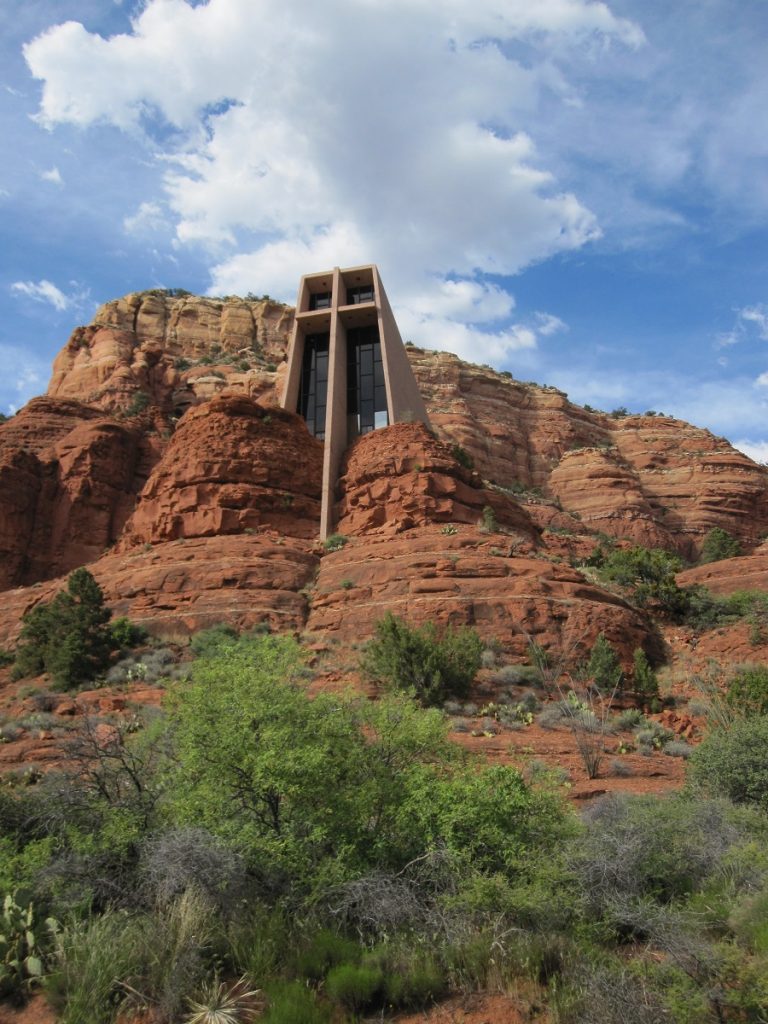
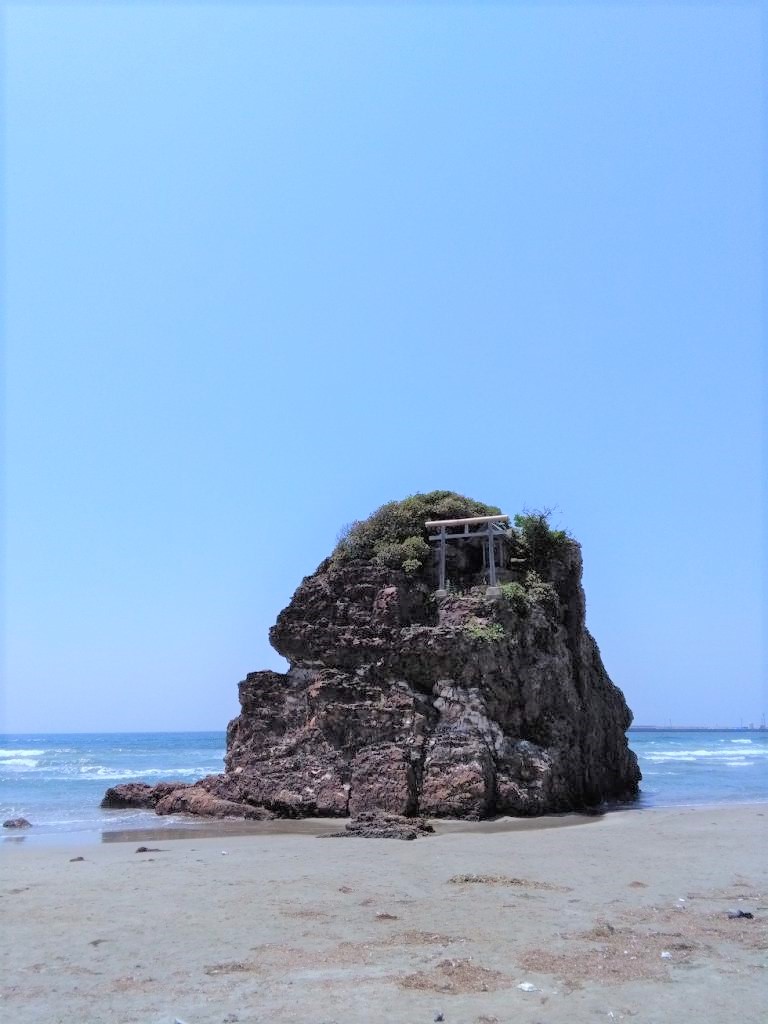
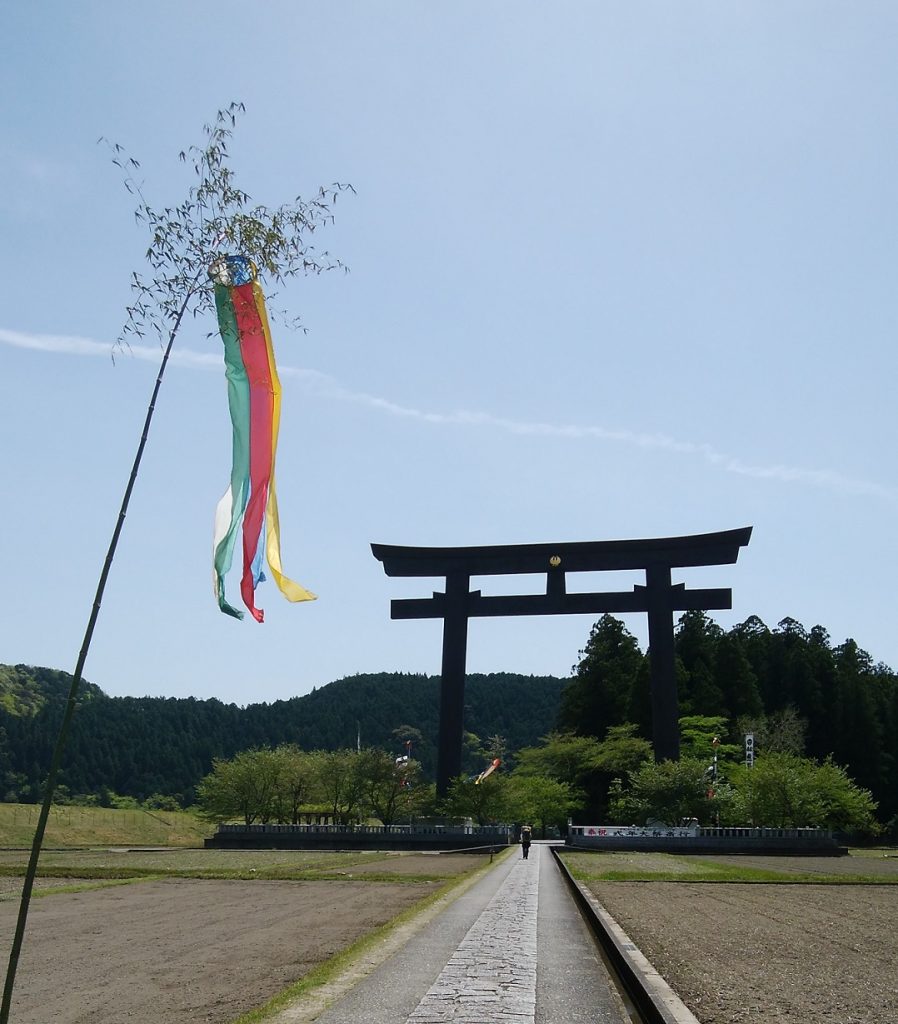
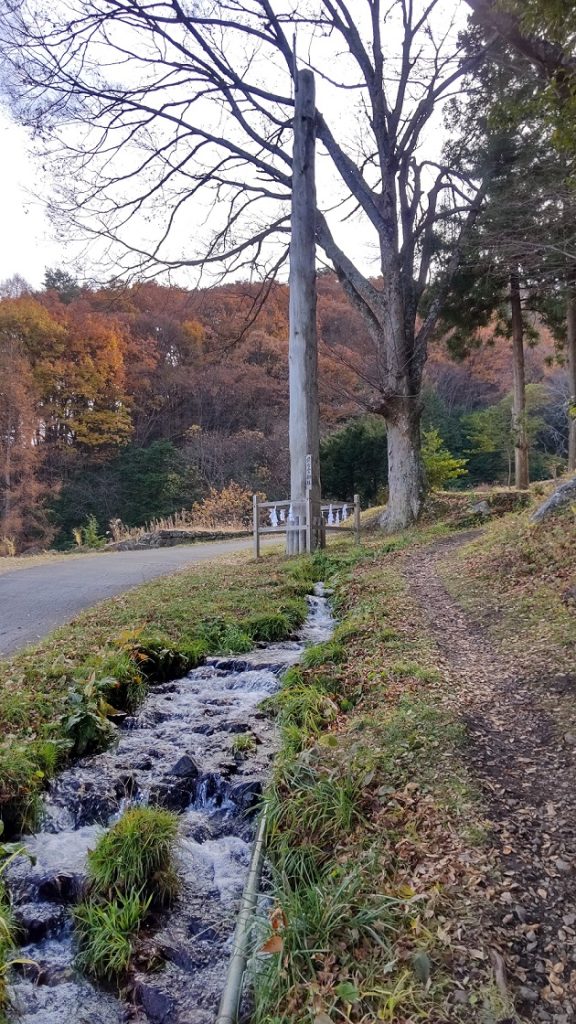
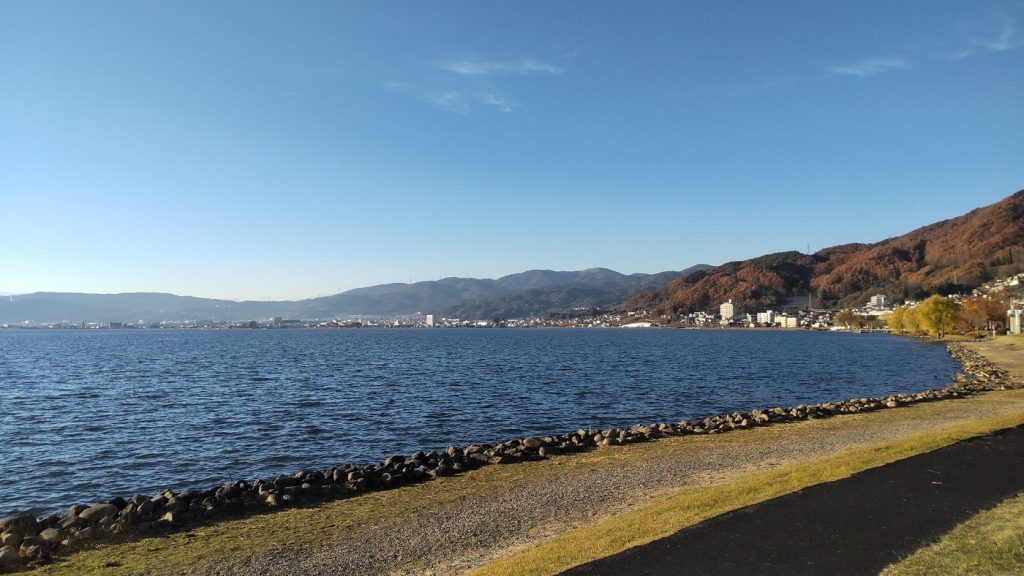
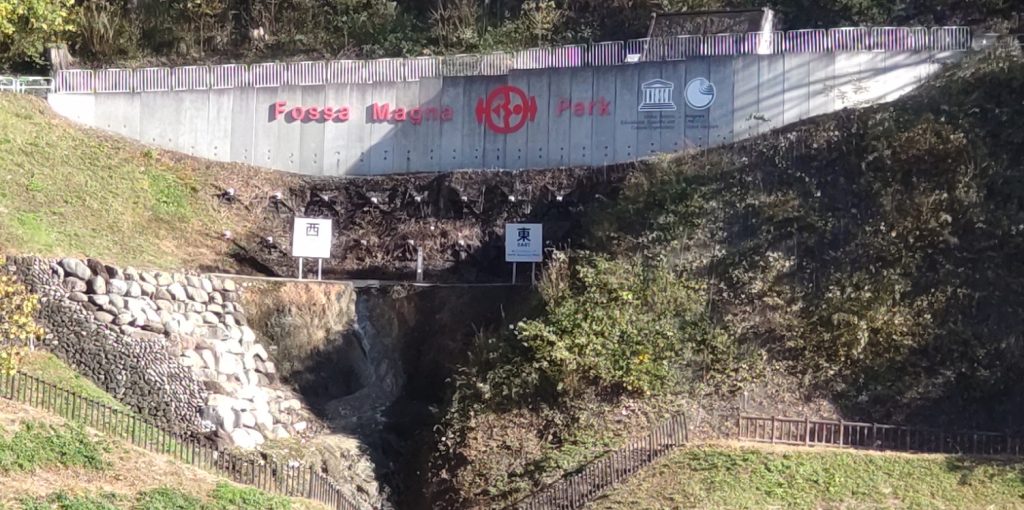
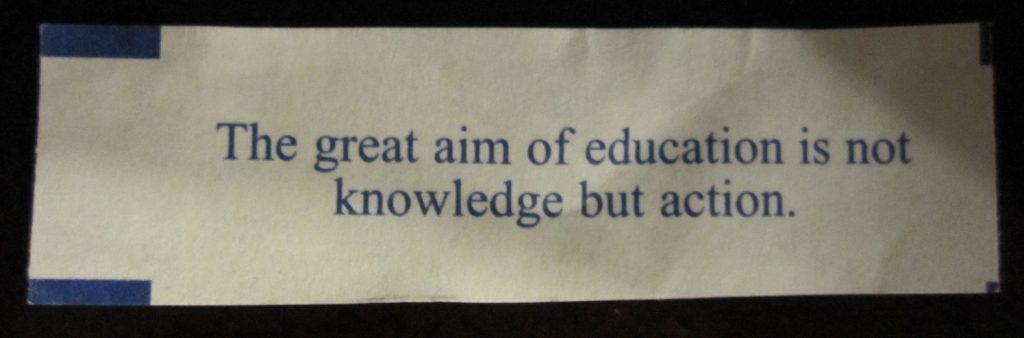
Buddhism: The Mahabodhi Temple, one of the holiest sites in Buddhism, in Bodh Gaya, India (2024). Gautama Siddhartha attained enlightenment under the tree in the center (it is a descendant of the original tree) and became the Buddha around 2,500 years ago.(Cont’d) The temple as seen from Sujata village (2024). Before meditating under the tree, he took a ritual bath in this river (which is dry in the photo) and restored his exhausted body with a milk-rice pudding given by Sujata.(Cont’d) Before meeting Sujata, he practiced asceticism for six years in the cave on the left, about 10 km northeast of the village, in Mahakala Mountain, India (2024).Buddhism: Phra Pathom Chedi, believed in Thailand to be the oldest chedi in Indochina, located in Nakhon Pathom (2020). Theravada Buddhism, one of the two major schools, spread to Sri Lanka, the Indochinese Peninsula excluding Vietnam, and beyond.Buddhism: White Horse Temple (白馬寺), which, according to legend, was the first Chinese temple built in 68 CE following the introduction of Buddhism via the Silk Road, located in Luoyang (2006). Later, Mahayana Buddhism, the other of the two major schools, spread to China, Korea, Japan, Vietnam, and beyond.Buddhism: Potala Palace in Lhasa (2007). Vajrayana Buddhism, a major extension of Mahayana, spread to Tibet, other Himalayan regions, Mongolia, and beyond.Buddhism: The Nalanda Mahavihara, a Buddhist academy that existed from the 5th to the 12th century, in Nalanda, India (2024).Buddhism: Shoden’an at Engakuji Temple in Kamakura, Japan (2022). D. T. Suzuki, who wrote many books in English introducing the concept of Zen Buddhism, practiced at this temple and stayed here for some time.Buddhism: Wat Paknam Phasi Charoen in Bangkok (2019).Hinduism → Buddhism: Angkor Wat, originally founded as a Hindu temple in the 12th century and later converted to a Buddhist temple, in Siem Reap (2009).Hinduism and Buddhism: Ganesha, a Hindu deity, at Wat Saman Rattanaram, a Buddhist temple in Chachoengsao, Thailand (2021).Christianity: The Chapel of the Holy Cross, a cross that rises straight from Sedona’s natural red rock curves (2015).Christianity: “Wisdom and knowledge shall be the stability of thy times” (Isaiah 33:6, NKJV), a Bible verse offering calm amid New York’s bustle, at Rockefeller Center (2015).Islam: A qibla sign for Muslims, indicating the direction of prayer toward the Kaaba in Mecca, in a hotel room in Dubai (2008).Shinto: Amano Yasukawara, a site of the myth of the loss and return of sunlight in Japan, in Takachiho (2023).(Cont’d) The town is home to many mythological sites. One legend associated with Takachiho Gorge holds that a god brought water here (2023).Shinto: Benten Island, a site of myths related to the unification process of Japan, in Izumo (2019).Shinto: The original site of Kumano Hongu Taisha, relocated to higher ground after a flood in 1889, Tanabe, Japan (2018). The site features Japan’s tallest torii gate (approx. 34 m). For centuries, pilgrims have journeyed to the three major Kumano shrines, including Hongu, seeking spiritual rebirth.Shinto: One of the 16 sacred pillars, “onbashira” (御柱), standing at the four corners of each of the four composite Suwa Taisha shrines in Chino, Japan (2021). The pillars have been rebuilt every seven years since ancient times. Their origin is unknown, but some believe they mark sacred boundaries.(Cont’d) Two of the four shrines are located on the north side of Lake Suwa, while the other two are on the south side. The lake, a tectonic lake, lies in the Suwa Basin, where Japan’s two major tectonic lines intersect. In Suwa (2021).(Cont’d) An outcrop of one of the two tectonic lines, about 120 km north of Lake Suwa, in Itoigawa (2023). It reveals the Itoigawa-Shizuoka tectonic line, which runs north-south across the main island of Japan, geologically dividing the country into east and west.Philosophy: A fortune-cookie proverb by Herbert Spencer, discovered after dinner at a Chinese restaurant in Columbus, the U.S. (2013).